TT Aero Package Review: Which Time Trial Upgrades Cycling Deliver Best Results?
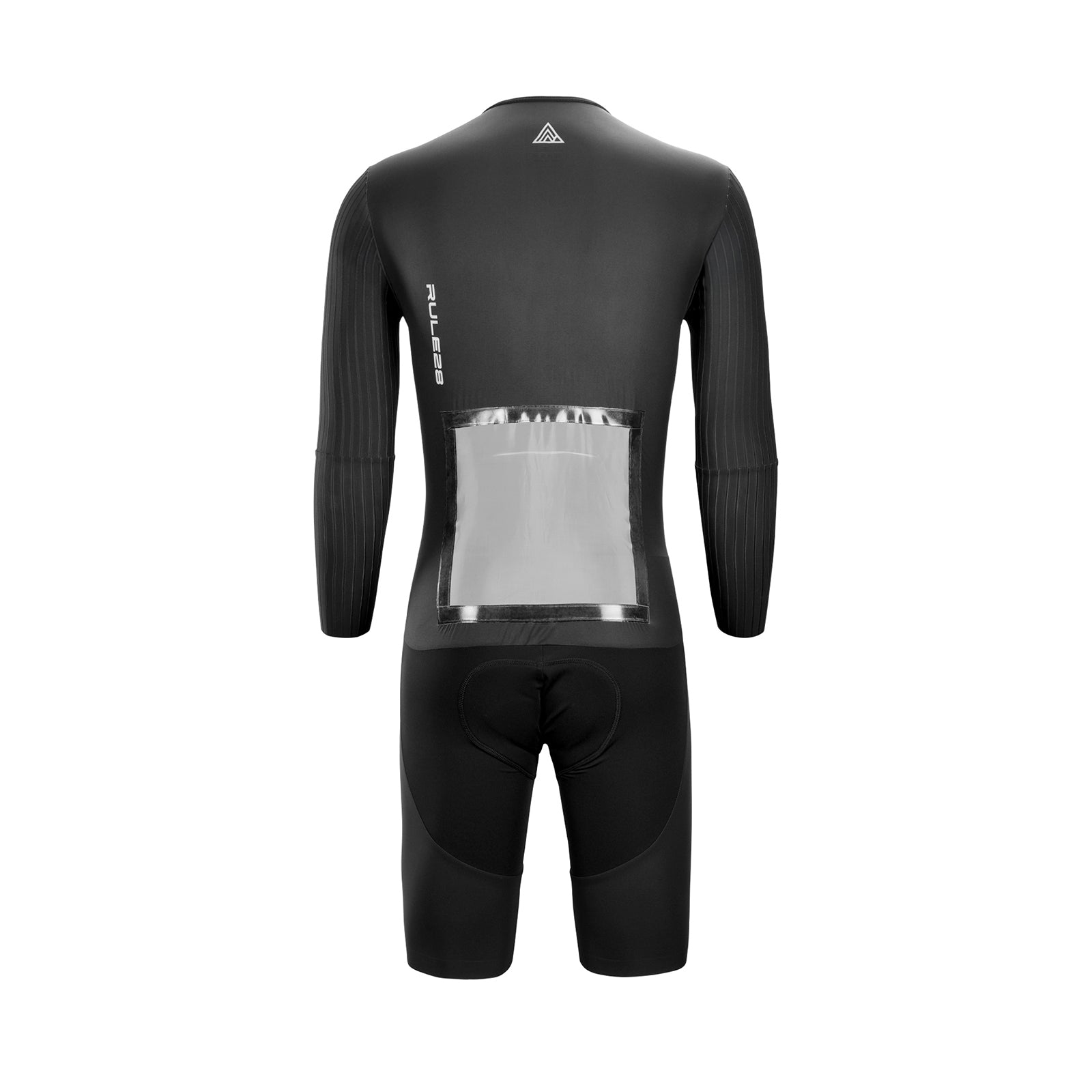
Time trial performance hinges on the delicate balance between power output and aerodynamic efficiency. Modern cyclists have a growing menu of specialized gear, skinsuits, overshoes, base layers, and component upgrades, designed to shave seconds off a race. This review dissects the most popular TT aero package elements, evaluates their real-world impact, and offers guidance on which upgrades deliver the greatest return on investment for serious riders.
Understanding Aerodynamic Drag in the TT
Aerodynamic drag accounts for roughly 80″?% of the resistance a rider faces at speeds above 30″?km/h. Reducing drag therefore yields the most noticeable time gains. The key variables are frontal area, shape, and surface smoothness. Upgrading clothing and accessories can lower the coefficient of drag (CdA) without changing a rider’s power output.
Core Components of a TT Aero Package
1. Skinsuit
A high-tech skinsuit is the foundation of any time trial aero kit. Modern fabrics are engineered to cling tightly, minimize wrinkling, and manage sweat. Look for features such as:
- Seamless construction or bonded seams to eliminate turbulence.
- Low-drag weave patterns that maintain breathability.
- Integrated padding that doesn’t protrude or create additional drag.
2. Overshoes
Overshoes reduce drag around the ankle and foot, an area often overlooked. The right pair can improve airflow while providing thermal regulation. Key points include:
- Full-length elastic cuffs that seal the shoe-leg interface.
- Hydrophobic coating to repel water and prevent drag-inducing droplets.
- Lightweight construction to avoid adding unnecessary mass.
3. Base Layer
A well-designed base layer acts as a second skin, smoothing the transition between the suit and the rider’s body. It also assists in temperature management, which can indirectly affect power output. Look for:
- Flatlock seams that lie flush against the skin.
- Thermo-regulating fibers that keep the rider warm without overheating.
- Compression zones that support muscle groups during prolonged effort.
Performance Testing: Real-World Results
Independent wind-tunnel testing and on-road trials have quantified the aerodynamic benefits of each component. The following table summarises typical CdA reductions observed when each item is added to a baseline setup:
| Component | Typical CdA Reduction | Estimated Time Save (40″?km TT) |
|---|---|---|
| Skinsuit | 0.015″?m?? | ???12″?seconds |
| Overshoes | 0.005″?m?? | ???4″?seconds |
| Base Layer | 0.003″?m?? | ???2″?seconds |
Cost-Benefit Analysis
When allocating a budget, cyclists should prioritize items that deliver the most aero gains time trial per dollar spent. Below is a quick guide:
- Skinsuit: Highest impact, moderate price; essential for any serious TT effort.
- Overshoes: Low cost, easy installation, noticeable benefit for riders who already have a suit.
- Base Layer: Minimal cost, modest gain; best used as a complementary piece.
How to Choose the Right tt aero package
Selecting the optimal combination depends on three factors: current equipment, riding conditions, and budget.
Assess Existing Gear
Identify gaps in the current setup. If a rider already uses a high-quality skinsuit, the next logical upgrade is overshoes. Conversely, a rider without a dedicated suit should start there.
Consider Climate
In cooler climates, a base layer adds comfort without compromising aero performance. In hot conditions, a lightweight suit with breathable panels may be preferable.
Budget Allocation
Allocate roughly 60″?% of the budget to the suit, 25″?% to overshoes, and the remaining 15″?% to base layers or accessories. This distribution mirrors the relative performance gains.
Maintenance and Longevity
Aerodynamic fabrics require proper care to retain their performance. Follow these guidelines:
- Hand-wash in cold water with mild detergent; avoid fabric softeners.
- Air-dry flat to prevent stretching or deformation of seams.
- Inspect overshoes for wear on the elastic cuff; replace when elasticity diminishes.
Conclusion
The pursuit of marginal gains in the time trial arena is a meticulous process. A well-chosen time trial upgrades cycling strategy, centered on a high-performance skinsuit, complemented by aerodynamic overshoes and a functional base layer, delivers measurable reductions in drag and tangible time savings. By evaluating current gear, climate, and budget, riders can assemble a package that maximises aero efficiency without unnecessary expense. The data demonstrates that the most significant return comes from the suit itself, but the cumulative effect of each upgrade compounds, turning modest improvements into a competitive advantage on race day.
