BCAA Fitness Supplements: Ideal Timing for Maximum Recovery Results
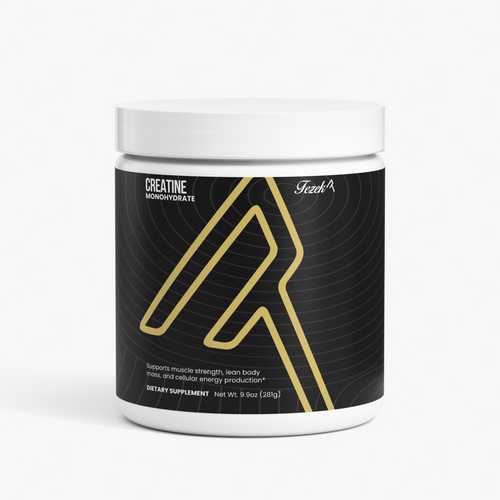
Branch-chain amino acids (BCAAs) have become a staple in modern fitness regimens, offering a convenient way to support muscle protein synthesis, reduce soreness, and accelerate recovery. While the supplement itself is important, timing its intake can dramatically influence how effectively the body utilizes these nutrients. Understanding when to consume BCAAs, whether before, during, or after a workout, helps athletes and recreational lifters extract the maximum benefit, leading to faster gains, less fatigue, and a smoother training cycle.
Why Timing Matters for BCAA Effectiveness
Muscle tissue is in a constant state of turnover. During intense exercise, catabolic processes dominate, breaking down protein to fuel activity. BCAAs, particularly leucine, act as a signal to shift the balance toward anabolism, the building phase. The window in which the body is most receptive to these signals aligns closely with the workout itself, making strategic timing essential.
Physiological Factors Influencing Timing
- Blood Amino Acid Levels: Elevated plasma BCAA concentrations before exercise can reduce the rate of muscle breakdown during the session.
- Insulin Response: Consuming BCAAs with a small carbohydrate source can trigger a modest insulin spike, further promoting nutrient uptake.
- Recovery Window: The post-exercise period (often called the “anabolic window”) is when muscles are primed to absorb nutrients and begin repair.
Optimal Timing Strategies
1. Pre-Workout BCAA Consumption
Taking BCAAs 15-30 minutes before training can raise blood amino acid levels, providing an immediate source for energy and reducing the perception of fatigue.
- Ideal dose: 5-10″?g of BCAA powder mixed with water.
- Combine with a light source of carbs (e.g., a banana) to enhance insulin-mediated uptake.
- Benefits include decreased muscle soreness and a slight boost in endurance.
For a deeper dive into pre-workout nutrition, Discover expert strategies here.
2. Intra-Workout BCAA Use
During prolonged or high-intensity sessions, especially those lasting over an hour, sipping BCAAs can sustain amino acid availability and help preserve lean tissue.
- Mix 5″?g of BCAAs into a hydration bottle.
- Rehydrate regularly to support overall performance.
- Intra-workout intake is particularly useful for endurance athletes and bodybuilders performing supersets.
Read more about tailoring intra-workout nutrition at Learn about our tailored solutions.
3. Post-Workout BCAA Integration
The period immediately after training is when muscles are most receptive to repair signals. Adding BCAAs to a post-exercise shake can accelerate protein synthesis and reduce delayed-onset muscle soreness (DOMS).
- Consume 5-10″?g of BCAAs within 30 minutes of finishing the workout.
- Pair with a high-quality protein source (whey, casein, or plant-based) for a synergistic effect.
- Consider adding electrolytes if training in hot conditions.
For comprehensive post-exercise recovery plans, Explore advanced guides and tips.
Special Considerations
While the general timing framework works for most individuals, personal variables such as training frequency, diet composition, and individual tolerance should shape the final protocol.
Training Frequency
- Daily gym-goers may benefit from a split approach: pre-workout on training days and post-workout on rest days to maintain a steady amino acid pool.
- Those training 3-4 times per week can focus on pre- and post-workout dosing without intra-workout supplementation.
Dietary Context
- High-protein diets (???1.6″?g/kg body weight) may require less supplemental BCAA, as dietary sources already provide ample leucine.
- Vegetarian or vegan athletes often find BCAA supplementation especially valuable due to lower leucine content in plant proteins.
Potential Side Effects
- Excessive BCAA intake (>30″?g per day) can lead to gastrointestinal discomfort.
- Individuals with maple syrup urine disease or certain metabolic disorders should avoid supplementation without medical guidance.
Putting It All Together: A Sample Timing Schedule
The following example illustrates a practical daily routine for a 75″?kg strength athlete training five days per week.
- 07:30″?am – Pre-Workout: 7″?g BCAA + 20″?g carbohydrate (e.g., oatmeal with honey).
- 08:00″?am – Training Session (60″?min): Sip 5″?g BCAA mixed in water every 15″?minutes.
- 09:15″?am – Post-Workout: 10″?g BCAA blended with 30″?g whey protein and 250″?ml almond milk.
- 12:30″?pm – Lunch: Balanced meal containing 30″?g protein, complex carbs, and healthy fats.
- 06:00″?pm – Evening Snack (optional): 5″?g BCAA if training later or to curb muscle catabolism overnight.
This schedule aligns supplementation with the body’s natural hormonal fluctuations, maximizing anabolic signaling while minimizing catabolic stress.
Conclusion
Strategic timing of BCAA supplementation can transform a generic recovery plan into a precision-driven protocol that supports muscle growth, reduces soreness, and sustains performance across training cycles. By integrating pre-, intra-, and post-workout doses according to individual goals and dietary habits, athletes can harness the full potential of these essential amino acids. For further reading on optimizing supplement timing and overall nutrition, Find out more about this approach and stay updated with the latest evidence-based practices.
