Backyard Oasis Design with Luxury Hot Tubs and Outdoor Spa Installation
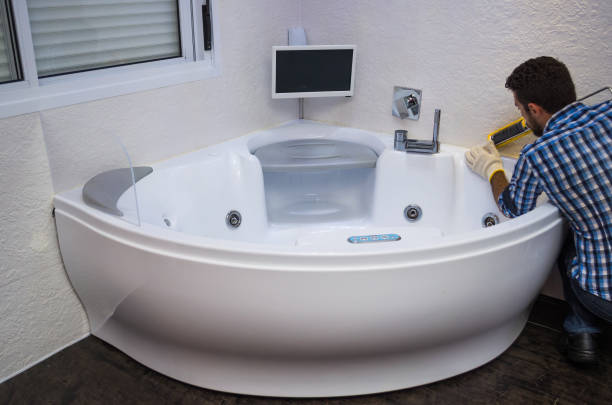
Designing a backyard oasis that seamlessly blends luxury hot tubs with a thoughtfully planned outdoor spa area can transform an ordinary garden into a year-round retreat. By considering layout, materials, lighting, and maintenance, homeowners can create a space that offers relaxation, entertainment, and increased property value. This guide outlines the essential steps and design principles needed to achieve a sophisticated outdoor sanctuary while integrating practical considerations for long-term enjoyment.
Planning the Layout and Flow
A well-designed backyard begins with a clear layout that balances functionality with aesthetics. The placement of the hot tub, surrounding decking, and ancillary features such as seating, fire pits, or pergolas should promote easy movement and visual harmony.
- Site Assessment: Evaluate sun exposure, wind direction, and privacy. Position the hot tub where it receives ample sunlight in cooler months but can be shaded during peak heat.
- Zoning: Separate the spa area from high-traffic zones like the kitchen or play area to maintain a tranquil atmosphere.
- Scale and Proportion: Ensure the hot tub size matches the available space; a 6-person model typically requires a 12-ft by 12-ft footprint, including surrounding walkways.
For deeper insights on site assessment techniques, Read more about this topic.
Choosing Materials That Enhance Luxury
Material selection influences both the visual appeal and durability of an outdoor spa environment. Opt for high-quality, weather-resistant options that complement the overall design theme.
Decking Options
- Composite Decking: Low maintenance, resistant to rot and insect damage, and available in a range of wood-tone finishes.
- Natural Stone: Offers a timeless look; choose slip-resistant finishes for safety around wet areas.
- Porcelain Tiles: Provide a sleek, modern aesthetic and can be textured for grip.
Surrounding Finishes
- Water-Resistant Plaster: Ideal for creating a seamless transition between the hot tub and deck.
- Glass Railings: Enhance the sense of openness while meeting safety codes.
- Landscape Lighting Fixtures: Integrate low-voltage LED fixtures to accentuate pathways and water features.
To explore material combinations that work well together, Learn more in this detailed guide.
Integrating Lighting and Ambiance
Lighting plays a crucial role in setting the mood for evening relaxation and ensuring safety. A layered lighting strategy offers both functional illumination and decorative flair.
- Submersible LED Lights: Install within the hot tub to create a soothing glow that can be color-controlled.
- Pathway Lights: Use low-profile, solar-powered fixtures to guide guests safely to the spa area.
- Accent Lighting: Highlight architectural elements such as pergolas or water features with uplights or spotlights.
For recommendations on energy-efficient lighting solutions, Explore further insights here.
Ensuring Proper Installation and Safety
Professional installation is essential to guarantee the hot tub operates efficiently and meets local building codes. Key considerations include electrical work, plumbing, and structural support.
- Electrical Requirements: A dedicated circuit with a GFCI breaker is mandatory. Verify that all wiring complies with the National Electrical Code (NEC).
- Plumbing Connections: Use corrosion-resistant piping and incorporate a shut-off valve for easy maintenance.
- Foundation Stability: The base must support the tub’s weight when filled, typically 300-500″?lb per square foot. Concrete pads or reinforced deck joists are common solutions.
For a checklist of installation best practices, Find additional information here.
Maintenance Strategies for Longevity
Consistent upkeep preserves water quality, equipment performance, and the overall appearance of the backyard oasis.
- Water Chemistry: Test pH, alkalinity, and sanitizer levels weekly; adjust as needed to prevent scaling and corrosion.
- Filter Care: Clean or replace filters according to manufacturer guidelines, typically every 3-6 months.
- Cover Management: Use a high-quality insulated cover to retain heat and protect the tub from debris when not in use.
- Seasonal Preparation: Drain and store the hot tub or install a winterization kit in colder climates.
Detailed maintenance schedules can be found by Read more about this topic.
Enhancing the Experience with Complementary Features
Beyond the hot tub itself, additional elements can elevate the overall spa experience and encourage regular use.
- Outdoor Shower: Provides a convenient rinse before and after soaking, reducing chemicals needed in the tub.
- Built-In Seating: Incorporate benches or loungers that blend with the decking material for seamless flow.
- Sound Systems: Waterproof speakers create a personalized ambiance with music or nature sounds.
- Greenery and Privacy Screens: Use tall plants, lattice work, or bamboo screens to create a secluded environment.
For ideas on integrating these accessories, Explore further insights here.
Conclusion
Creating a backyard oasis with a luxury hot tub and outdoor spa installation requires thoughtful planning, quality materials, and diligent maintenance. By addressing layout, material selection, lighting, safety, and complementary features, homeowners can craft a serene retreat that enhances both lifestyle and property value. The result is a versatile outdoor space that invites relaxation, social gatherings, and year-round enjoyment.
