Cycling Aero Overshoes Explained – How They Improve Speed
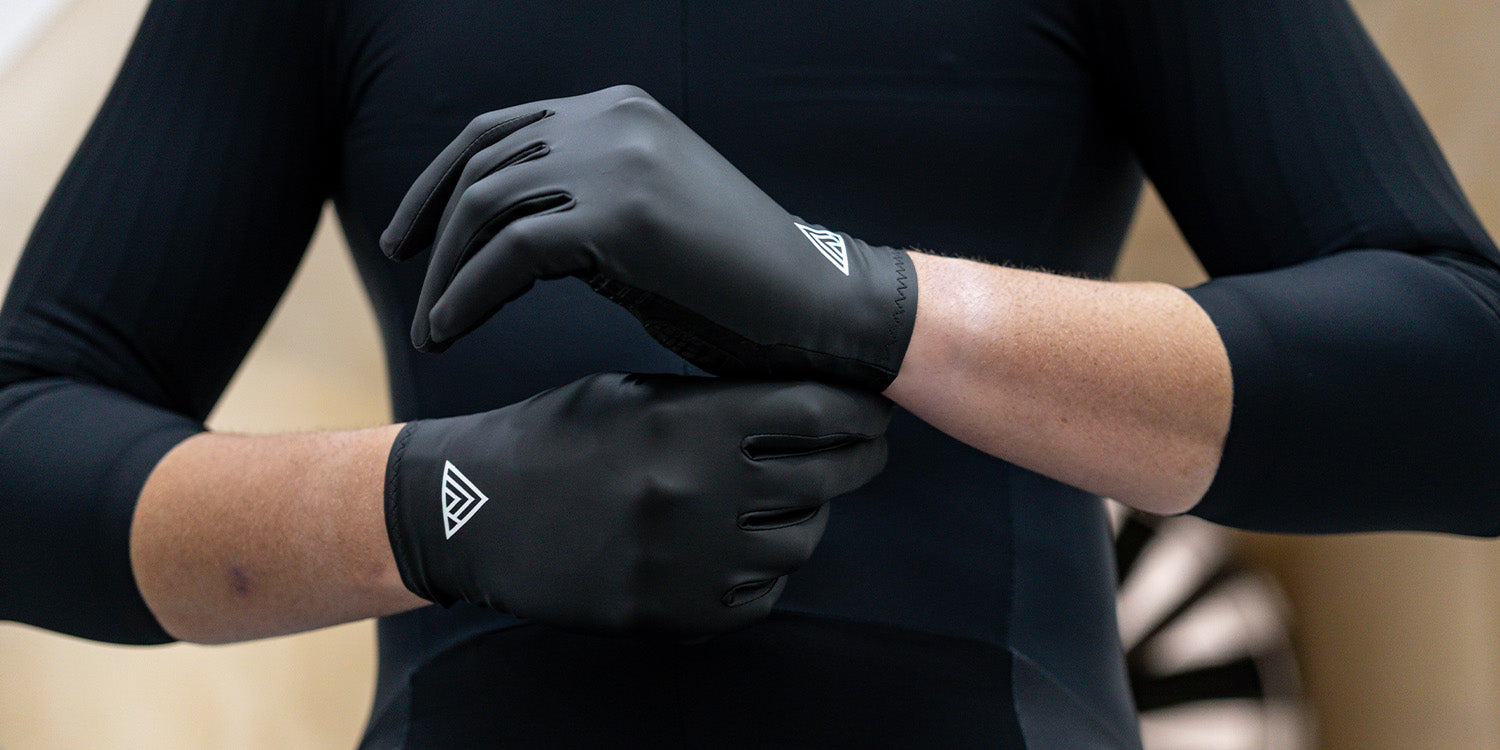
When cyclists talk about shaving seconds off a race, the conversation often turns to aerodynamics. While frame geometry, wheel depth, and riding position dominate headlines, one subtle yet powerful component frequently slips under the radar: aero overshoes. These specialized shoe covers are engineered to streamline the foot-shoe system, reducing drag and improving overall speed without compromising comfort or pedal efficiency. Understanding how aero overshoes work, what features matter, and how to integrate them into a performance kit can make a noticeable difference for road racers, time-trialists, and serious enthusiasts alike.
What Makes an Overshoe Aerodynamic?
The primary goal of an aero overshoe is to smooth the airflow around the shoe and pedal, eliminating turbulent pockets that increase drag. Several design elements contribute to this effect:
- Seam-less construction: Fewer seams mean fewer points where air can separate from the surface, maintaining laminar flow.
- Low-profile shape: A tapered, close-fitting silhouette reduces the frontal area presented to the wind.
- Specialty fabrics: High-tenacity, low-stretch materials like Lycra-blend or carbon-infused fibers retain shape at high speeds.
- Integrated heel pockets: These keep the heel snug, preventing flapping that can generate additional drag.
Material Choices and Their Impact
Modern aero overshoes often combine multiple fabrics to balance stretch, durability, and wind-blocking properties. Common layers include:
- Outer shell: Smooth, water-repellent fabric that acts as the primary aerodynamic barrier.
- Mid-layer: Elasticized zones around the toe and heel for a secure fit.
- Inner lining: Breathable, moisture-wicking material that keeps the foot dry during long rides.
Performance Benefits Explained
Even modest reductions in drag can translate into measurable time gains, especially over long distances or in time-trial events. The following points illustrate how aero overshoes contribute to speed:
- Reduced drag coefficient: Studies show a well-designed overshoe can lower the drag coefficient of the shoe-pedal system by up to 5%.
- Improved power transfer: A snug fit eliminates foot movement within the shoe, ensuring more consistent pedal strokes.
- Consistent aerodynamics in varying conditions: Water-repellent coatings prevent the fabric from soaking up rain, which would otherwise add weight and drag.
- Thermal regulation: Advanced fabrics allow heat to escape, preventing overheating that can affect performance.
Choosing the Right Aero Overshoe
Selecting an overshoe involves more than picking the most aggressive look. Consider the following criteria to match the product to your riding style and equipment:
Fit and Compatibility
- Measure the circumference of your shoe at the toe box and heel to ensure the overshoe’s stretch range accommodates it.
- Check compatibility with your pedal system; most overshoes work with standard road pedals, but clipless-specific designs may offer additional features.
Weather Considerations
- For wet climates, prioritize models with robust water-resistant membranes.
- In hot environments, look for overshoes that incorporate ventilation panels or mesh inserts.
Durability vs. Weight
- Carbon-infused fabrics provide excellent stiffness and aero performance but may be heavier than pure Lycra blends.
- Reinforced heel pockets extend lifespan, especially for riders who frequently change shoes.
For a curated selection of high-performing options, Discover expert strategies here and explore the range of accessories designed to complement an aerodynamic setup.
Integrating Aero Overshoes Into Your Kit
To maximize the benefit of aero overshoes, they should be part of a holistic approach to bike aerodynamics. Follow these steps to ensure seamless integration:
- Start with the bike frame: Choose a frame with aerodynamic tube shapes and internal cable routing.
- Upgrade wheels: Deep-section rims reduce drag and complement the streamlined foot profile.
- Adopt a low-drag riding position: Adjust saddle setback and handlebar reach to minimize frontal area.
- Finish with aero accessories: Add a well-fitted helmet, skin-tight apparel, and the right overshoes.
When every element works together, the cumulative speed gain can be significant. For deeper insight into how each component interacts, Learn about our tailored solutions and see how professional cyclists fine-tune their setups.
Maintenance and Care Tips
Proper care prolongs the performance of aero overshoes. Follow these guidelines:
- Hand wash in cool water with a mild detergent; avoid machine cycles that can stretch the fabric.
- Air dry away from direct sunlight to prevent UV degradation of the coating.
- Inspect seams regularly for signs of wear, especially after long rides in abrasive conditions.
Keeping the overshoes in optimal condition ensures they continue to deliver the intended aerodynamic advantage throughout the season.
Conclusion
Aero overshoes may appear as a small accessory, but their impact on speed is anything but trivial. By reducing drag, enhancing fit, and maintaining consistent performance across varying weather conditions, they become an essential element of a serious cyclist’s aerodynamic arsenal. Selecting the right model, integrating it with a comprehensive aero kit, and maintaining it properly will help riders extract every possible second on the road. For a full suite of accessories designed to support high-performance riding, Explore advanced guides and tips and stay ahead of the competition.
