Grades Six Twelve Programs at Seattle Independent Education Centers
Seattle’s independent education centers provide a comprehensive continuum for students from grade six through twelve, blending rigorous academics with experiential learning. These programs are designed to nurture critical thinking, foster personal growth, and prepare adolescents for the demands of higher education and beyond. By integrating small class sizes, mentorship models, and community partnerships, the schools create an environment where each learner can thrive academically and socially.
Curriculum Design for Grades Six-Twelve
The curriculum follows a progressive framework that aligns with state standards while allowing flexibility for interdisciplinary projects. Core subjects, English language arts, mathematics, science, and social studies, are reinforced through project-based learning, ensuring concepts are applied in real-world contexts.
Key Features
- Integrated Learning Modules: Units combine multiple disciplines, encouraging students to see connections between math, science, and the humanities.
- Advanced Placement and Dual Credit Options: High-school students can earn college credit, smoothing the transition to post-secondary education.
- Personalized Learning Paths: Individual learning plans are crafted based on assessments, interests, and future goals.
Student Support Services
Beyond classroom instruction, independent education centers offer a suite of support services aimed at holistic development. Counselors, academic coaches, and enrichment coordinators collaborate to address academic, emotional, and social needs.
Support Structures
- Academic Coaching: One-on-one sessions target study skills, time management, and goal setting.
- Social-Emotional Learning (SEL): Programs teach resilience, empathy, and conflict resolution.
- College & Career Guidance: Workshops and mentorships help students explore post-secondary pathways.
For families seeking deeper insight into these services, Discover expert strategies here provides a detailed overview of the support framework.
Extracurricular and Enrichment Opportunities
Extracurricular activities complement academic rigor, offering avenues for leadership, creativity, and physical wellness. Clubs, athletics, and community service projects are integral to the student experience.
Examples of Enrichment Programs
- Robotics and coding clubs that align with STEM objectives.
- Performing arts ensembles fostering confidence and artistic expression.
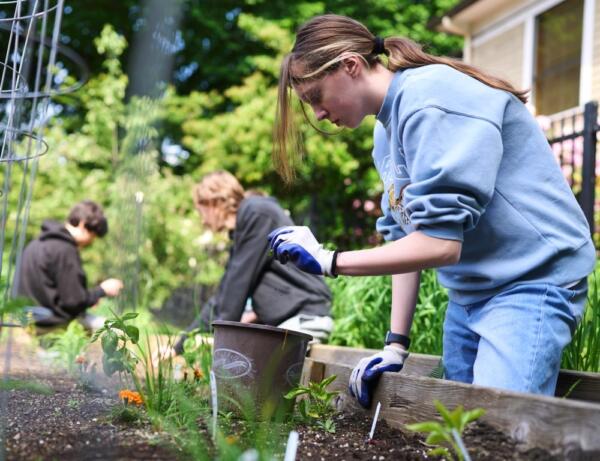
- Environmental stewardship initiatives that connect classroom learning with local ecosystems.
Information on specific clubs and upcoming events can be found by Explore advanced guides and tips related to student life.
Facilities and Learning Environments
State-of-the-art classrooms, science labs, art studios, and athletic facilities create a dynamic setting for learning. Flexible spaces support collaborative projects, while outdoor areas encourage experiential education.
- Technology-Integrated Classrooms: Interactive whiteboards, tablets, and high-speed internet enable blended learning.
- Science Laboratories: Equipped for chemistry, biology, and physics experiments that meet college-level standards.
- Creative Studios: Spaces for visual arts, music, and digital media production.
Details about campus resources are available at Find out more about this approach, offering virtual tours and facility descriptions.
Admission Process and Eligibility
Admission to the grades six-twelve program follows a transparent, multi-step process designed to assess academic readiness and cultural fit. Prospective families are encouraged to review the criteria and timeline carefully.
Steps in the Admission Journey
- Complete the online application form.
- Submit academic transcripts and standardized test scores.
- Participate in an interview with faculty and a campus tour.
- Receive a placement recommendation based on assessment results.
For a step-by-step guide, Learn about our tailored solutions provides comprehensive instructions and FAQs.
Outcomes and Success Metrics
Graduates of the independent education program demonstrate strong academic performance, high college acceptance rates, and active community involvement. Success is measured through standardized test scores, college matriculation data, and alumni feedback.
- Average SAT/ACT scores exceed national averages by 150 points.
- Over 90% of graduates enroll in four-year colleges within a year of completion.
- Alumni report high satisfaction with critical thinking and problem-solving abilities.
Conclusion
The grades six-twelve programs at Seattle’s independent education centers embody a balanced blend of academic excellence, personalized support, and enriching experiences. By maintaining a student-centered philosophy and leveraging robust resources, these schools prepare adolescents for successful transitions to higher education and meaningful careers. Families interested in exploring this pathway can consult the school’s website for additional information, program details, and enrollment guidance.
