Integrative Medicine: A Holistic Approach to Healing
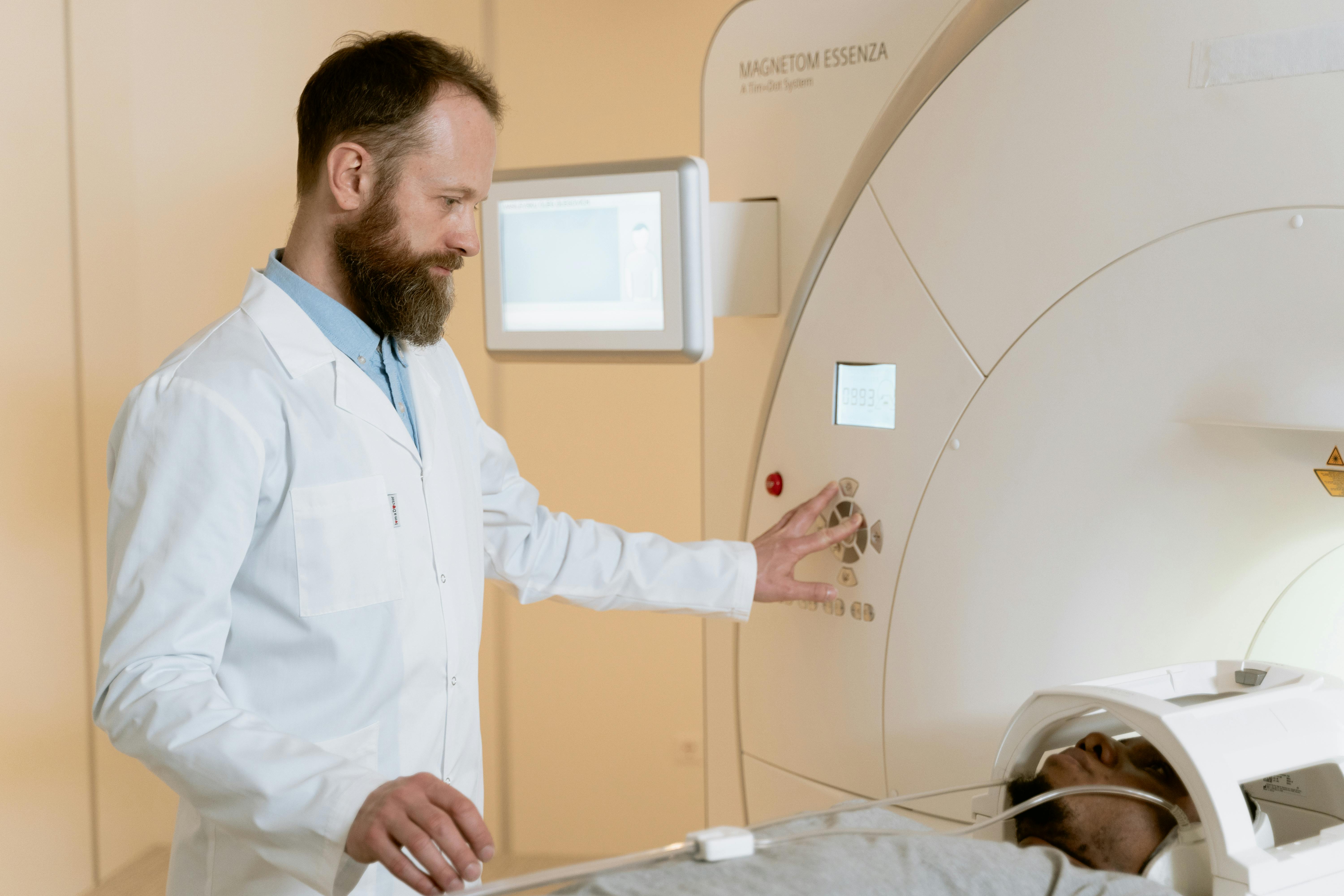
In the evolving landscape of healthcare, integrative medicine has emerged as a comprehensive approach that combines conventional medical practices with alternative therapies. This holistic method focuses on treating the whole person, rather than just addressing specific symptoms. With a growing body of evidence supporting its effectiveness, more individuals are turning to integrative medicine to achieve optimal health and well-being. The approach not only emphasizes the treatment of disease but also promotes prevention and supports the body’s natural healing capabilities. As the demand for personalized healthcare increases, integrative medicine offers a promising pathway to achieve a balanced and healthy life.
Understanding Integrative Medicine
Integrative medicine is defined by its blend of traditional and alternative methods, creating a patient-centered model of care. It seeks to:
- Combine the best of conventional medicine with evidence-based complementary practices.
- Address the physical, emotional, mental, social, spiritual, and environmental influences on health.
- Empower patients through education and partnership in their healthcare.
For those interested in exploring this approach, find out more about this approach.
Core Principles of Integrative Medicine
Holistic Patient Care
Integrative medicine emphasizes the importance of treating the whole person. This involves understanding the complex interplay between various aspects of a patient’s life. Practitioners aim to:
- Assess lifestyle factors, nutrition, and exercise.
- Explore emotional and psychological wellbeing.
- Consider spiritual beliefs and cultural factors.
To delve deeper into how these principles are put into practice, explore advanced guides and tips.
Evidence-Based Therapies
A hallmark of integrative medicine is the use of therapies that have been validated by scientific research. These may include:
- Traditional practices such as acupuncture and herbal medicine.
- Mind-body techniques like meditation and yoga.
- Nutritional interventions and lifestyle modifications.
Discover expert strategies here to learn more about these therapies.
Patient-Practitioner Partnership
A collaborative relationship between the patient and practitioner is crucial. This partnership:
- Encourages active patient involvement in their treatment plan.
- Fosters open communication and trust.
- Empowers patients to take charge of their health journey.
Learn about our tailored solutions here to enhance this partnership.
Benefits of Integrative Medicine
Integrative medicine offers a myriad of benefits, including:
- Improved quality of life through personalized care.
- Reduced reliance on pharmaceuticals by incorporating alternative therapies.
- Enhanced patient satisfaction and engagement in their healthcare.
Find out more about this approach here.
Conclusion
As the healthcare landscape continues to evolve, integrative medicine stands out as a promising approach to holistic healing. By addressing the needs of the whole person, it not only aims to treat illness but also fosters a proactive approach to maintaining health. With its focus on both conventional and alternative therapies, integrative medicine offers a balanced and comprehensive means of achieving optimal health. For those seeking a more personalized and collaborative healthcare experience, integrative medicine provides a path towards a healthier and more fulfilling life.
